
Program 01
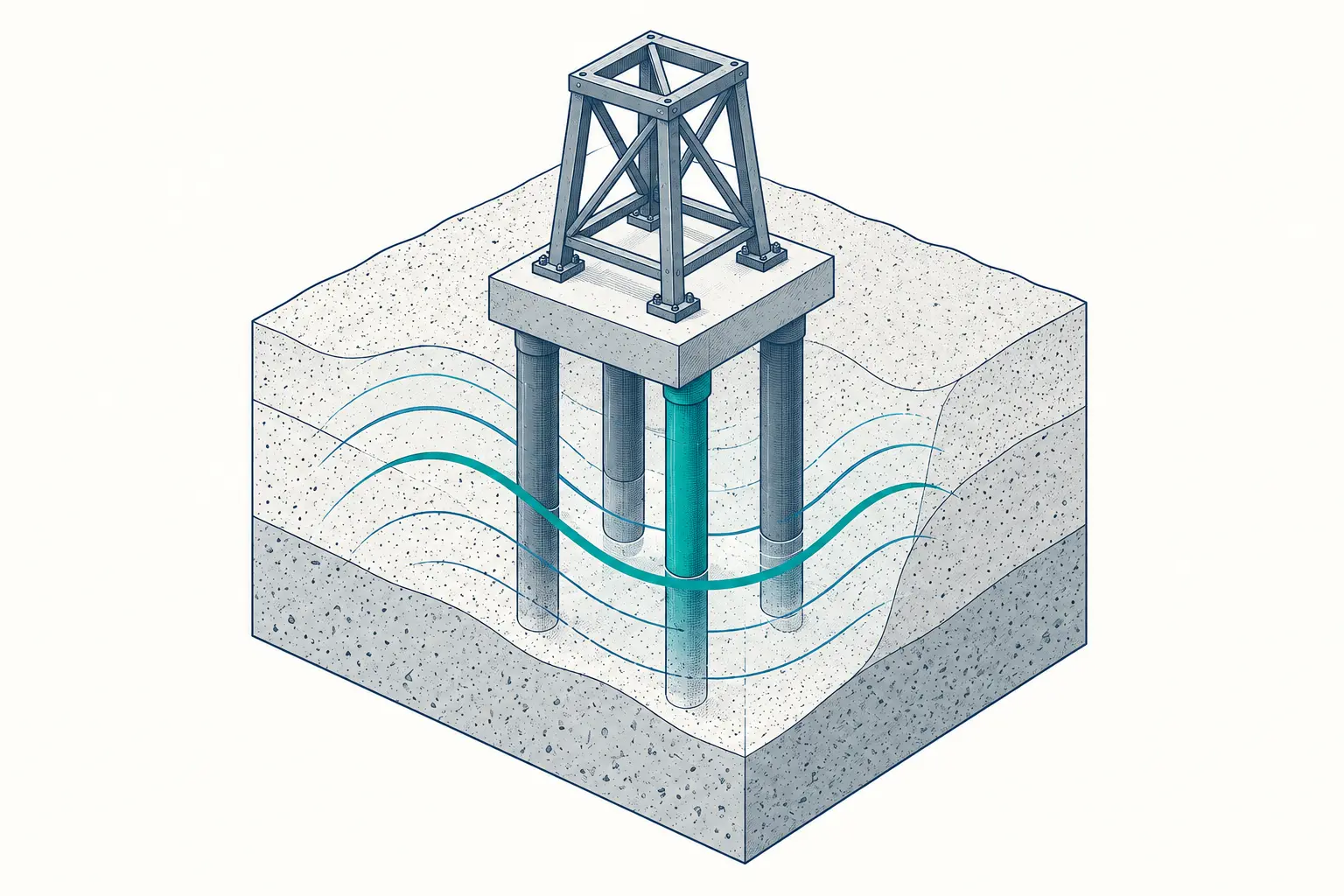
Dynamic interaction
How do structures, foundations and soil exchange forces and motion?
Models that treat the structure, foundation, piles and soil as one coupled vibrating system.
Pile groups · flexible foundations · contact · IBEM-FEMResearch
We build computational models for systems whose parts cannot be understood in isolation. Every project begins with the physics of an interface, then moves through formulation, computation, verification and design.
How do structures, foundations and soil exchange forces and motion?
Models that treat the structure, foundation, piles and soil as one coupled vibrating system.
Pile groups · flexible foundations · contact · IBEM-FEM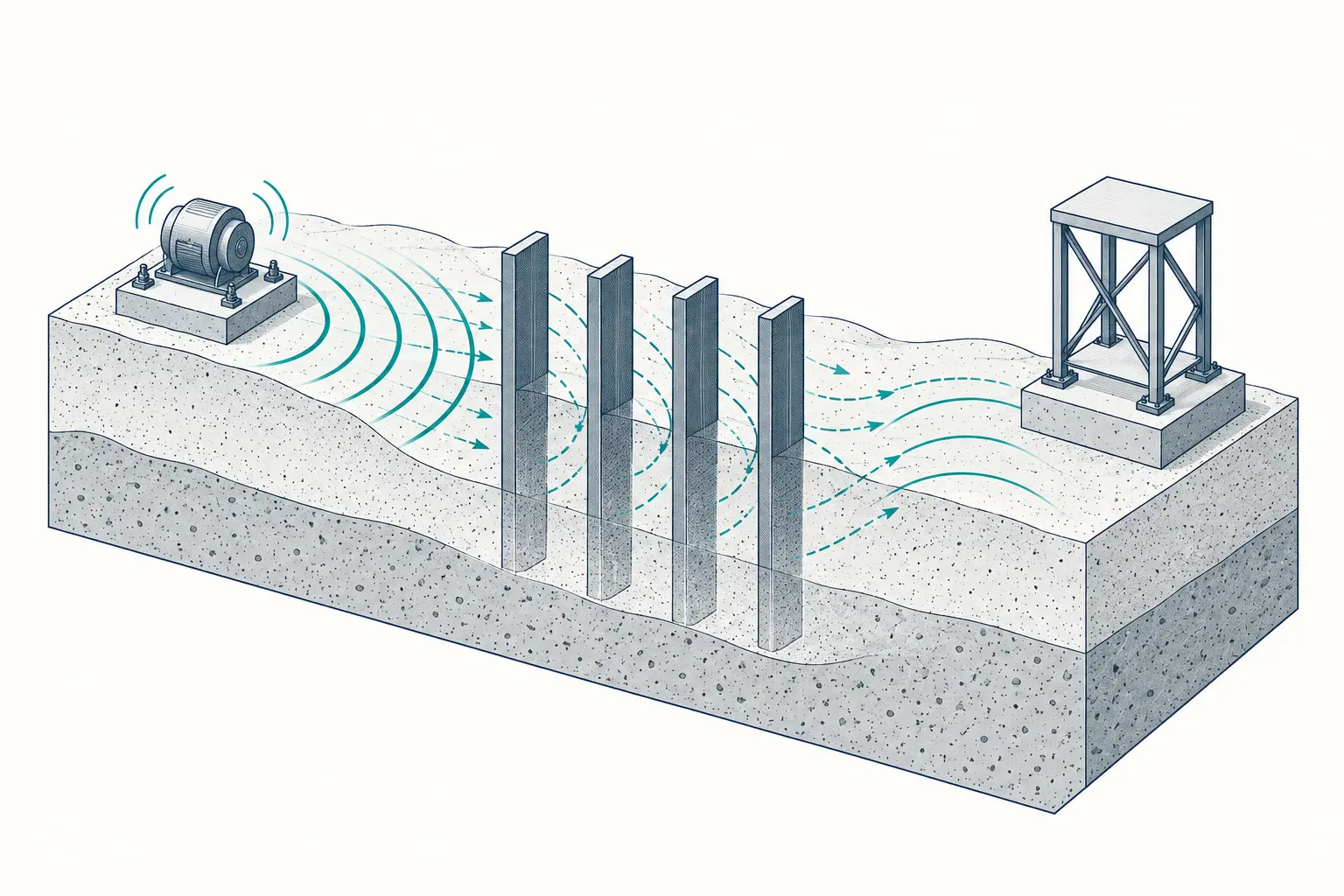
How can waves be redirected before they reach a sensitive structure?
Barriers, periodic systems and metamaterial concepts that redirect or attenuate vibration.
Ground waves · barriers · periodicity · vibration attenuation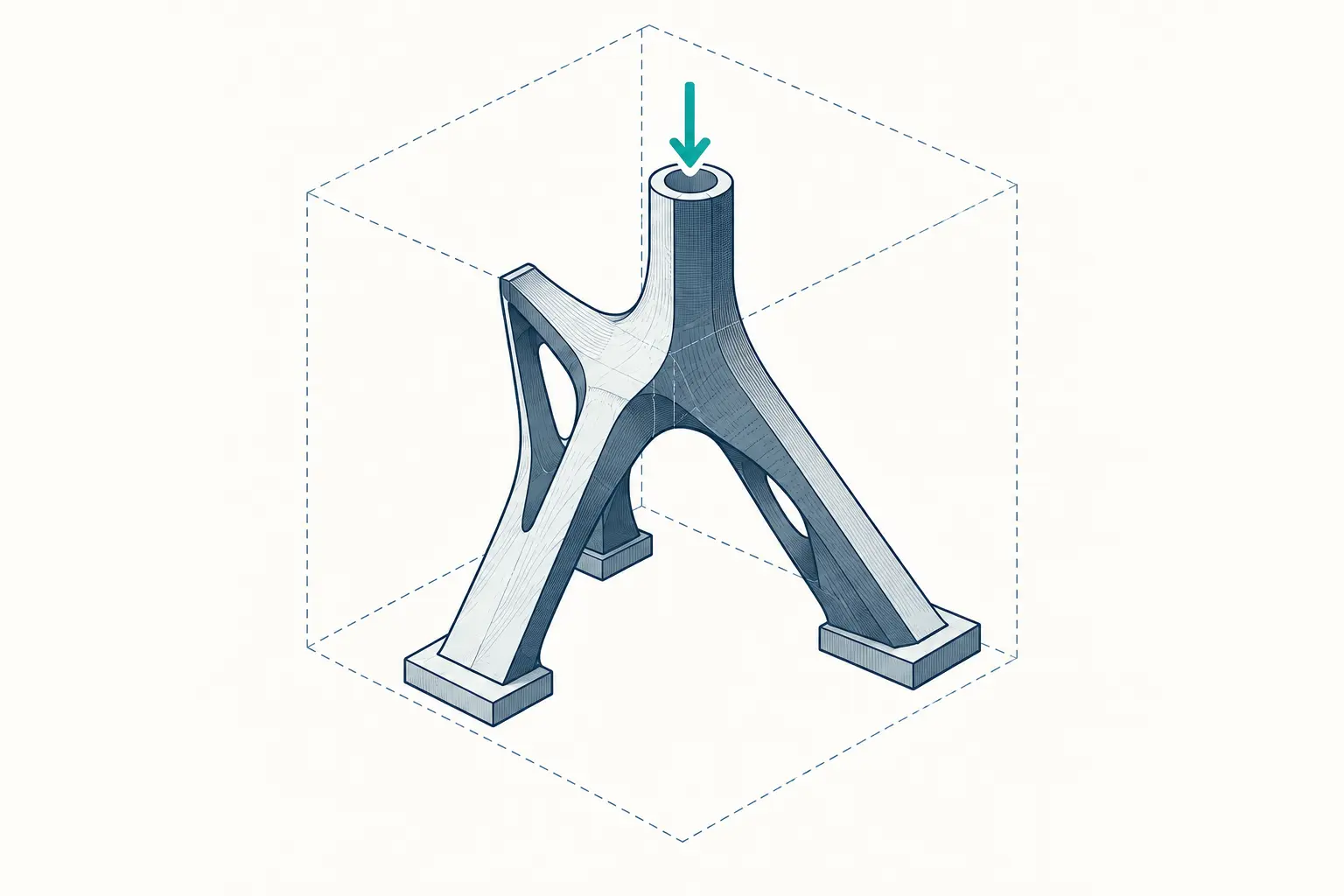
How does the best design change when supports, interfaces and failure are modeled honestly?
Computational design methods that account for flexible supports, interfaces and failure modes.
Topology optimization · stress · buckling · flexible supports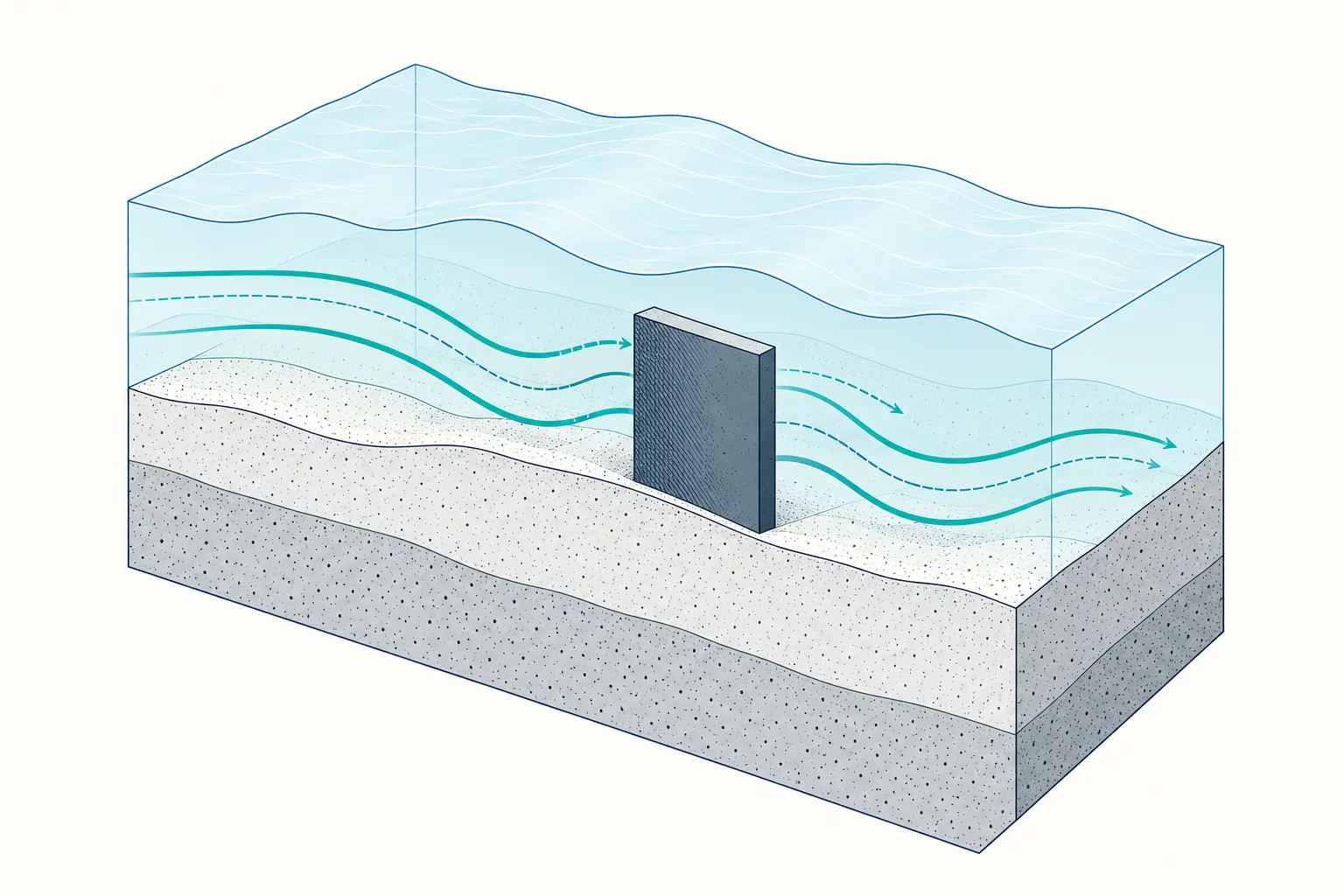
What new behavior appears when water, seabed and structures move together?
Coupled models of water, seabed and structures for vibration and marine-protection questions.
Scholte waves · PML · submerged barriers · fluid-soil coupling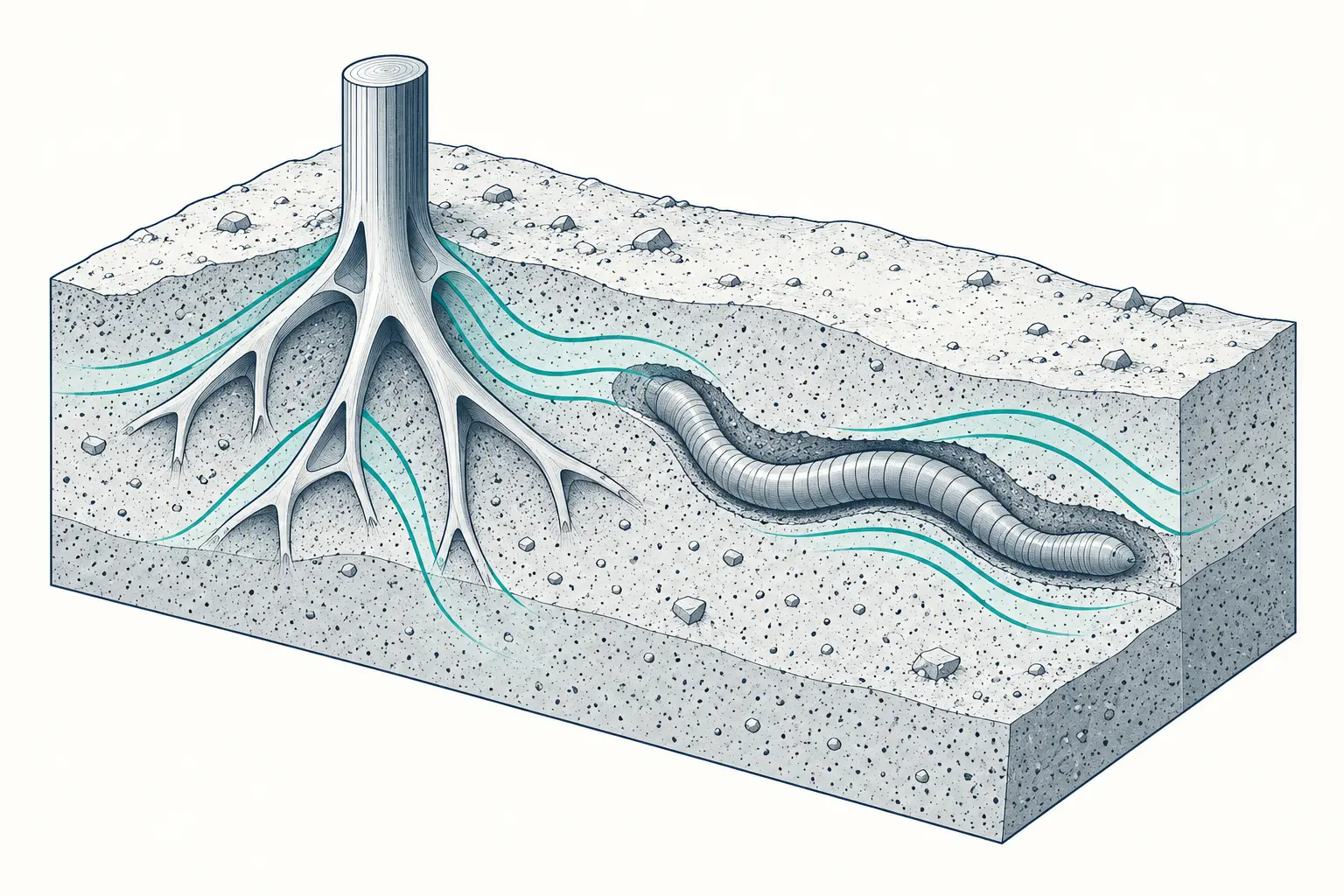
What can roots and burrowing organisms teach us about anchorage and movement through soil?
We study how roots and soil organisms interact with the ground, then translate those mechanics into new structural and robotic concepts.
Root anchorage · organism-soil interaction · soft excavation · biomimetic designPublished findings and explicitly labelled preliminary results show how the programmes become concrete mechanical claims.
Peer reviewed
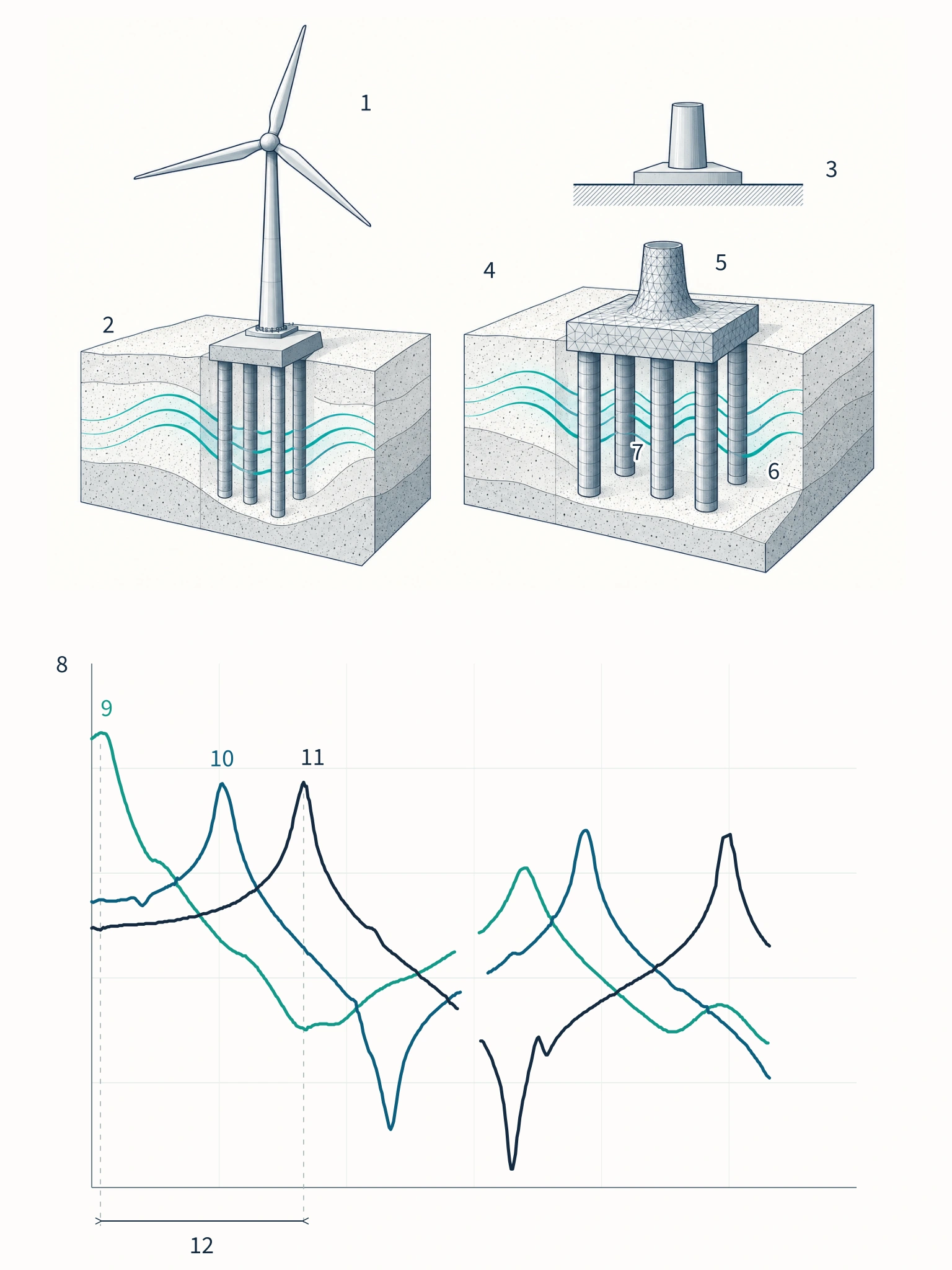
The receiving structure changes the vibration field rather than merely observing it. Increasing separation reduces transferred vibration, while structural height shifts the coupled resonances. Pile spacing cannot be reduced to one simple monotonic rule.
Work in progress
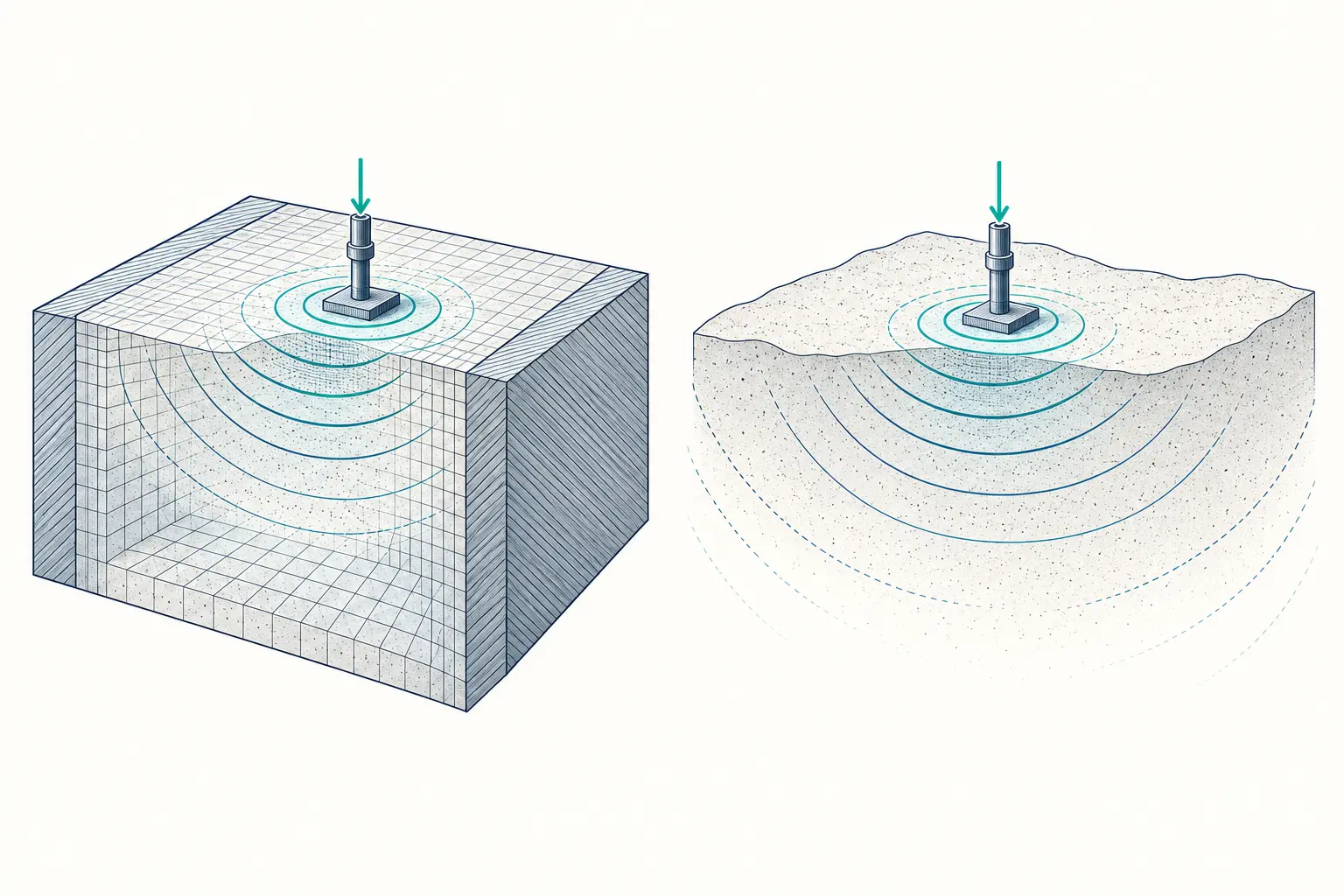
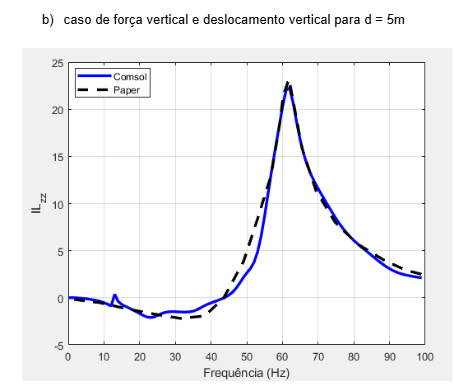
After correcting the boundary treatment and calibrating the domain, the simulated vertical response follows the reference curve closely through the main resonance and its decay.
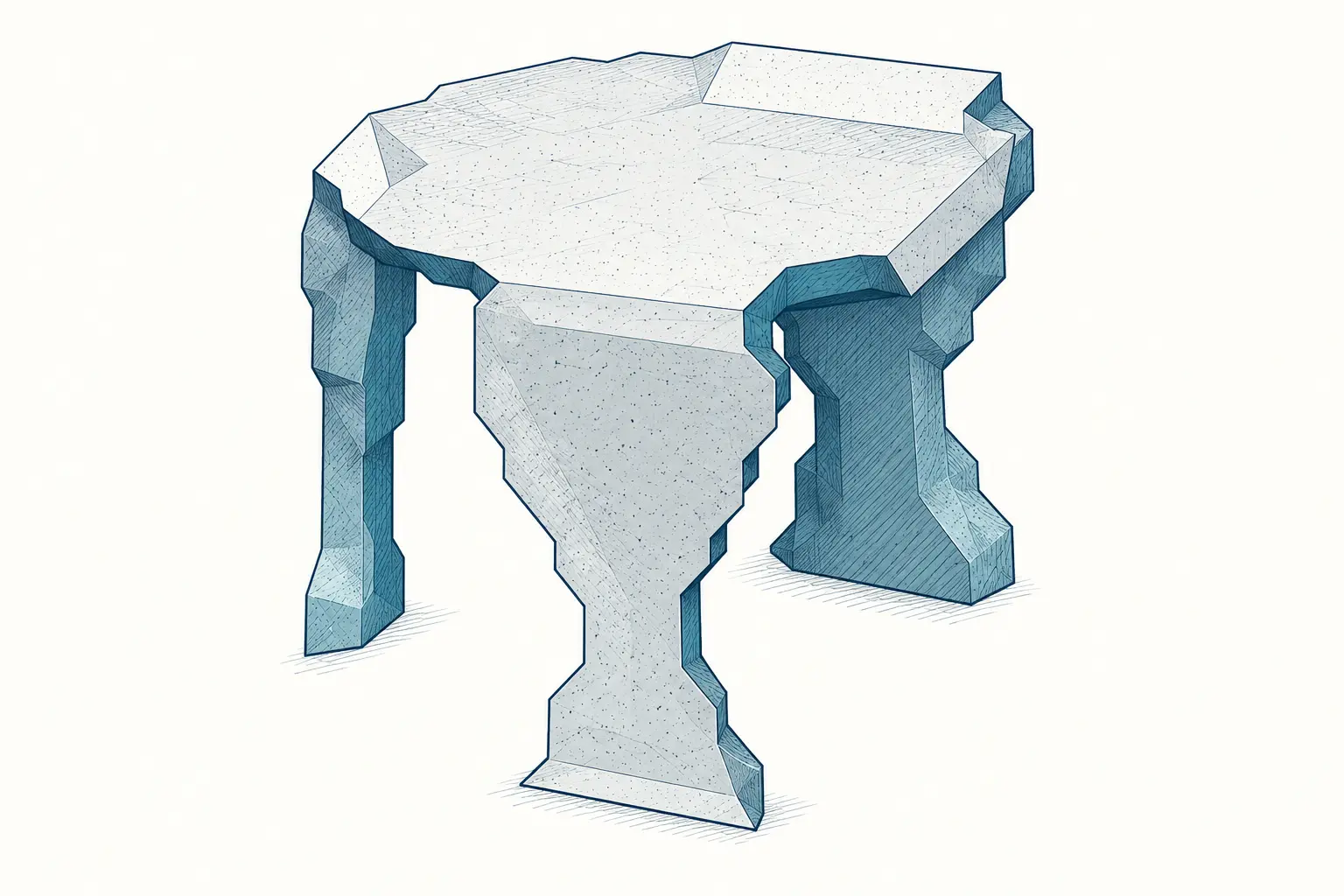
Work in progress
The initial 3D optimization produced a connected load path between the seating surface and the supports while keeping the central cargo cavity free of structural material.
FAPESP project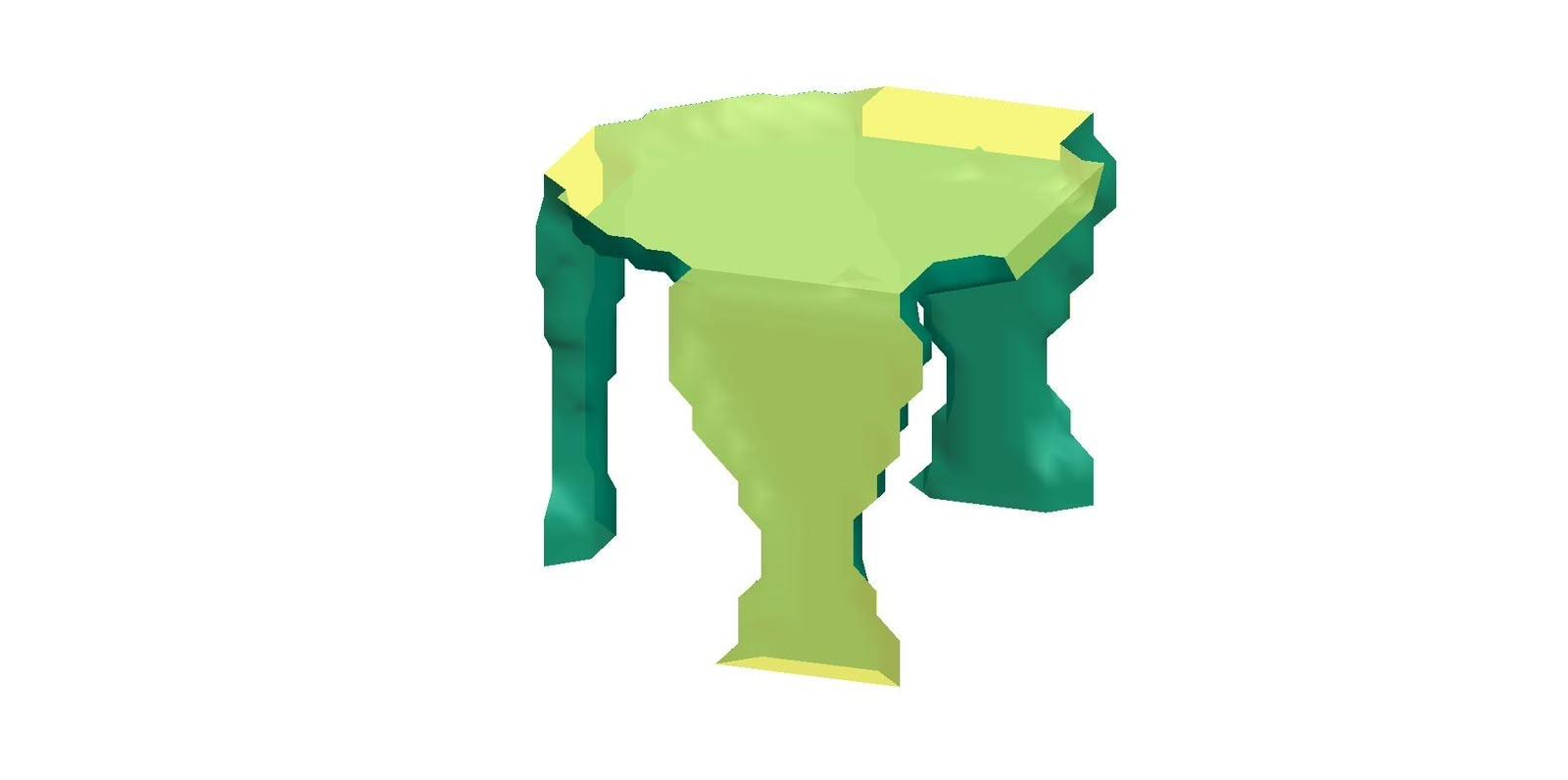
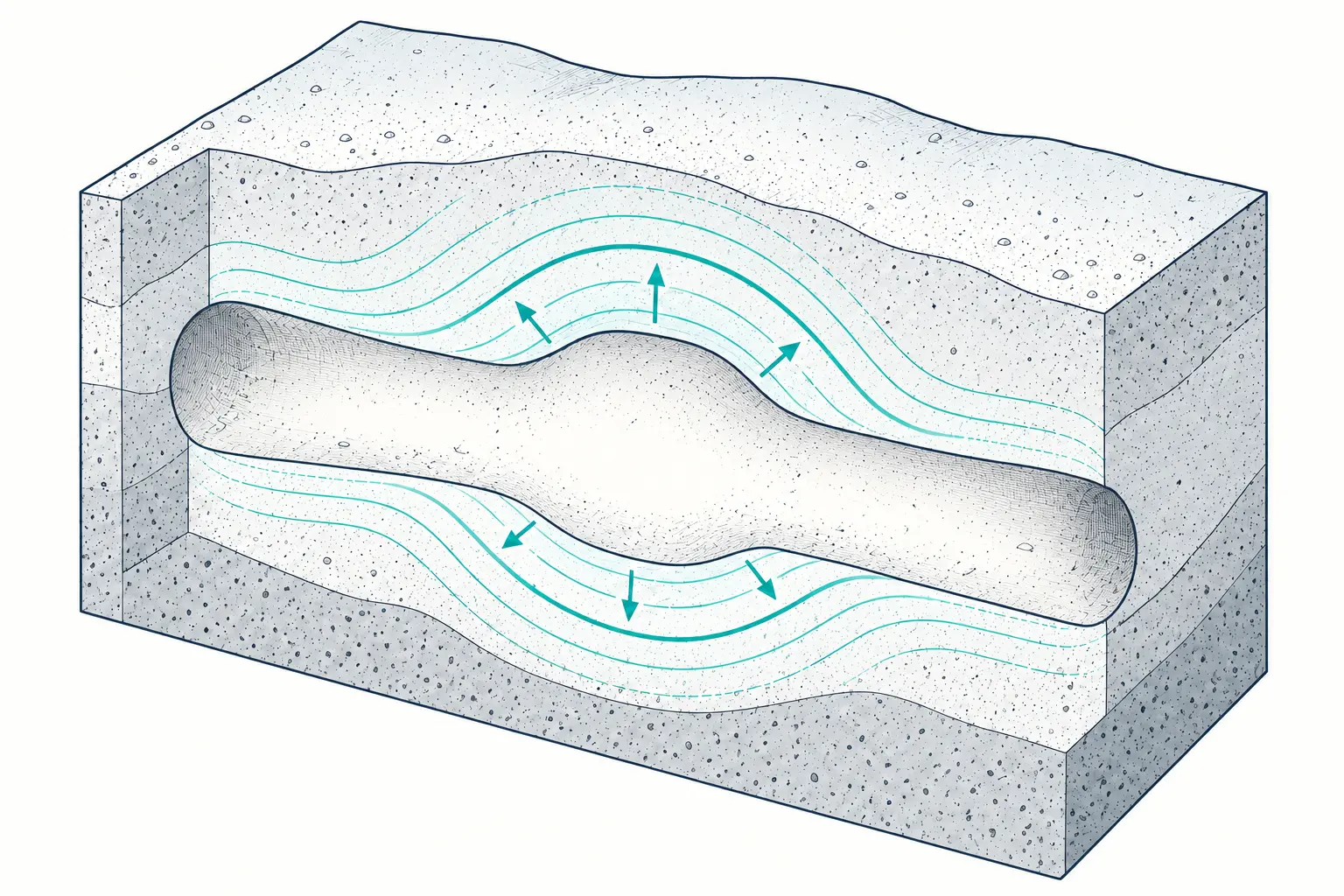
Work in progress
Each expanding body segment generates a localized stress concentration in the surrounding soil. The travelling pattern provides a mechanical bridge between prescribed body motion, anchorage and soil disturbance.
FAPESP IC project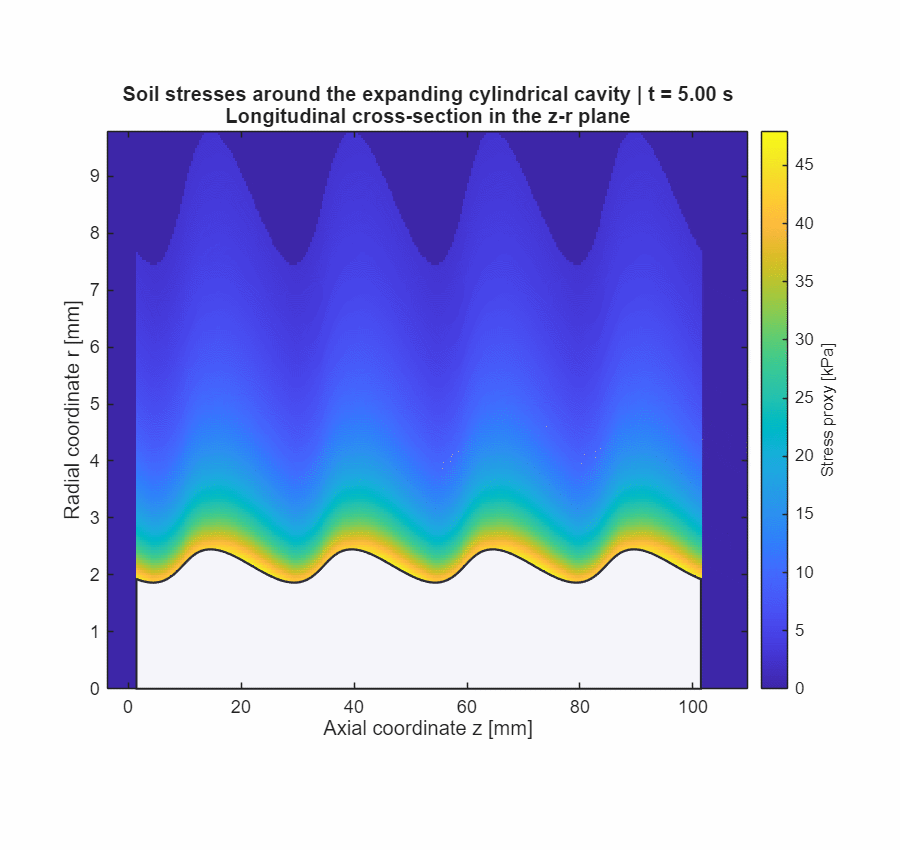
See who develops these questions and which partnerships make them possible.