01
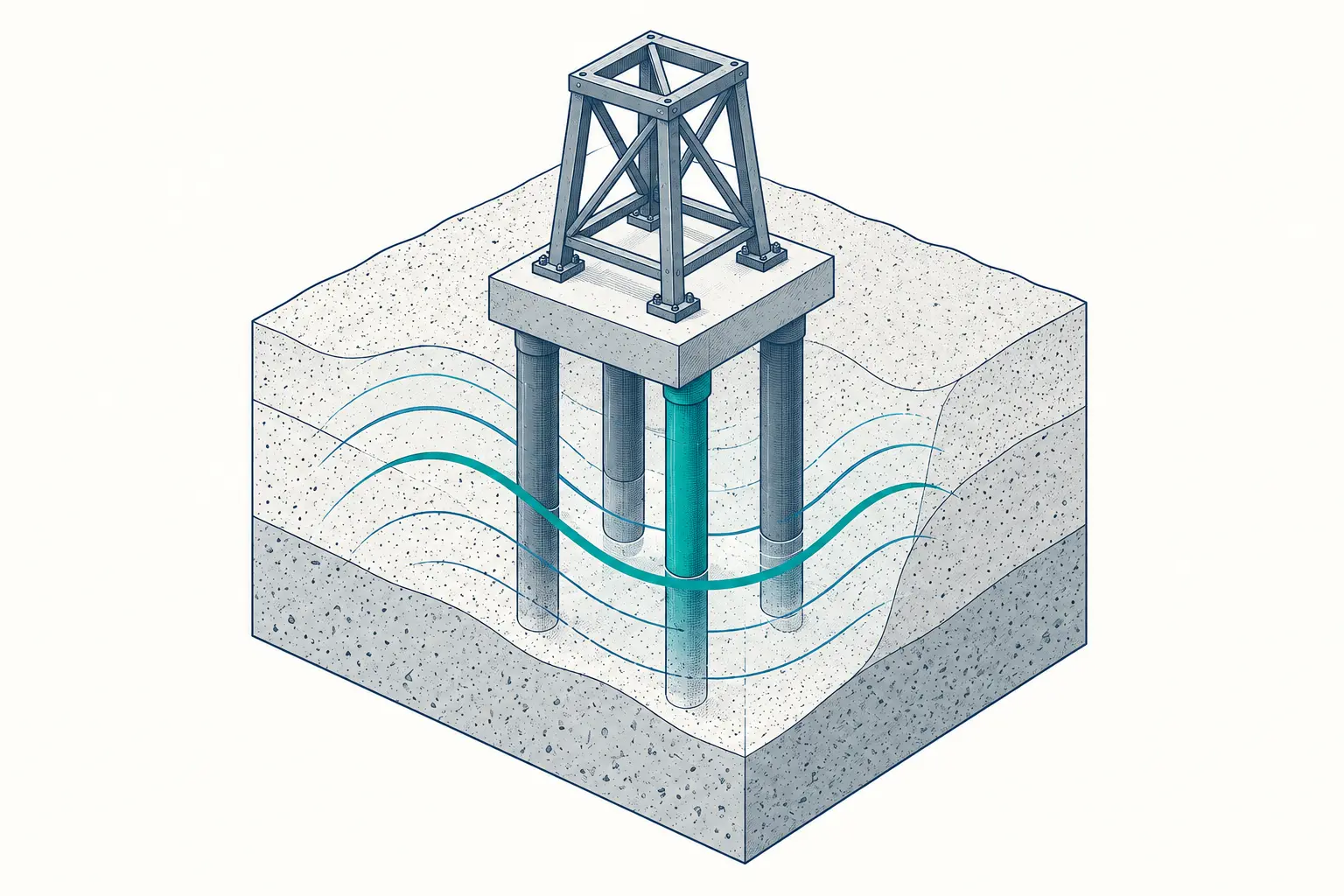
Dynamic interaction
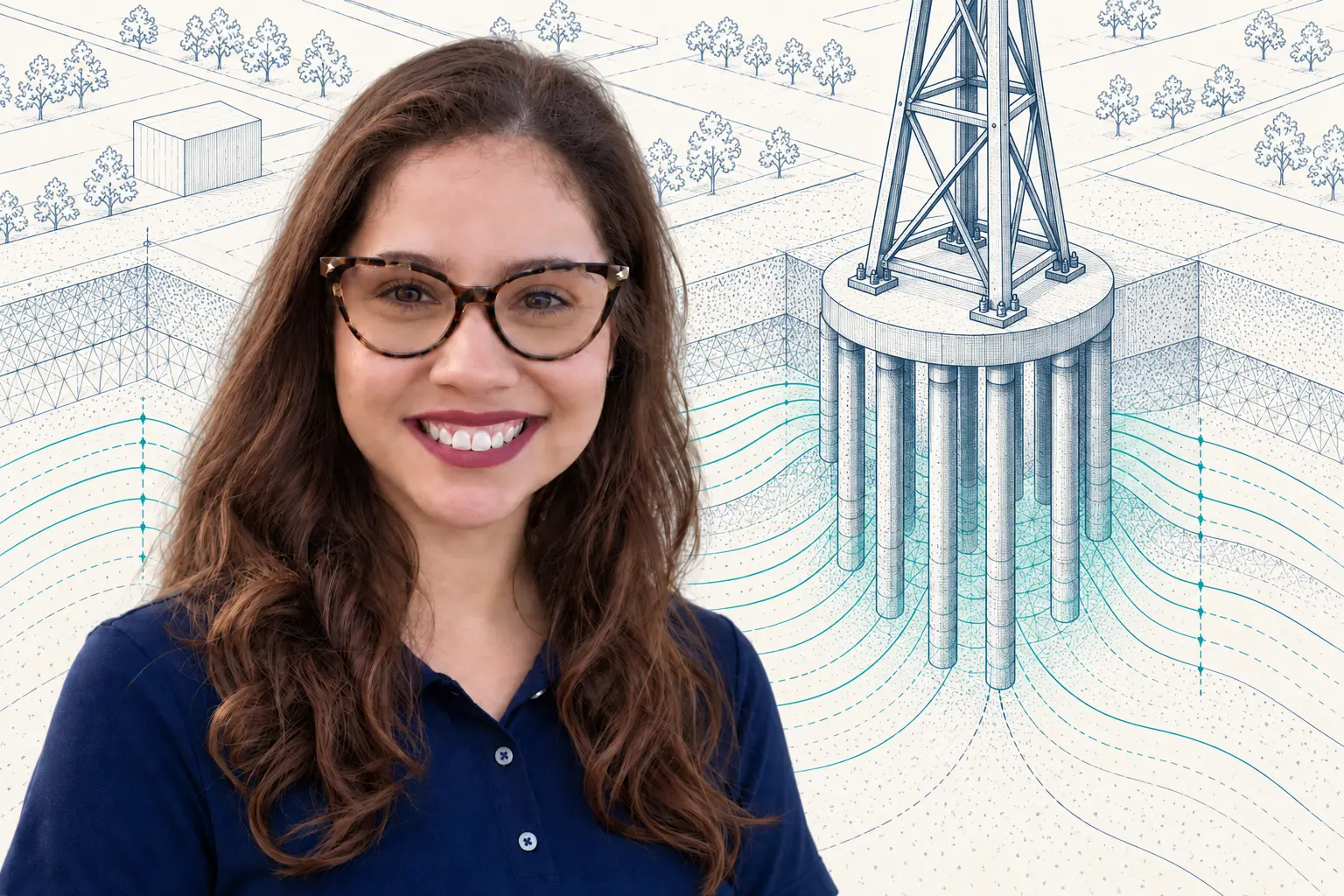
Models that treat the structure, foundation, piles and soil as one coupled vibrating system.
Pile groups · flexible foundations · contact · IBEM-FEMSoil–Structure Interaction Laboratory · UNICAMP
Structures do not stop at the foundation. We model how structures, foundations, soil and water move together, then use that understanding to design safer, quieter and more efficient systems.
Acceleration through interaction
News & highlights
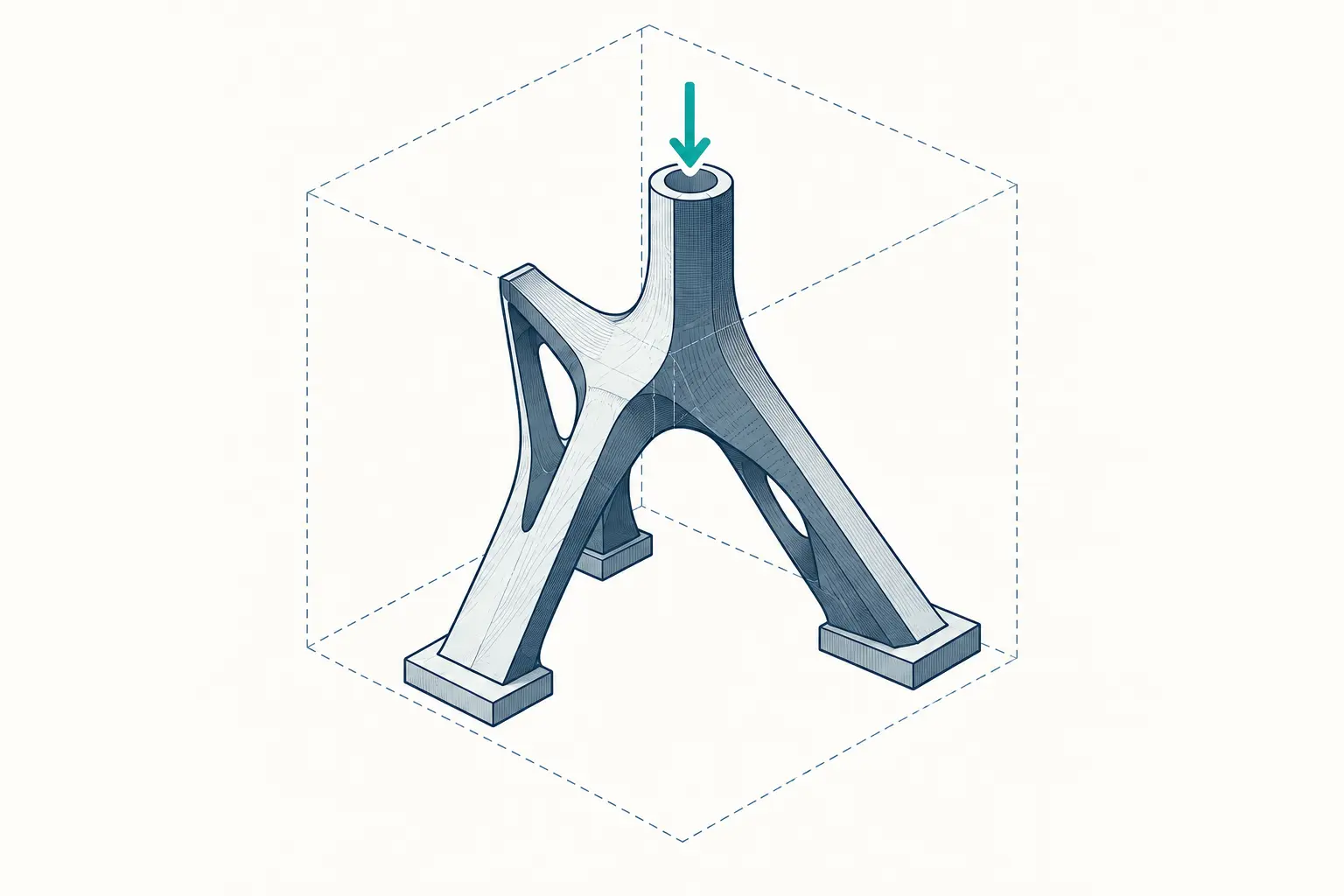
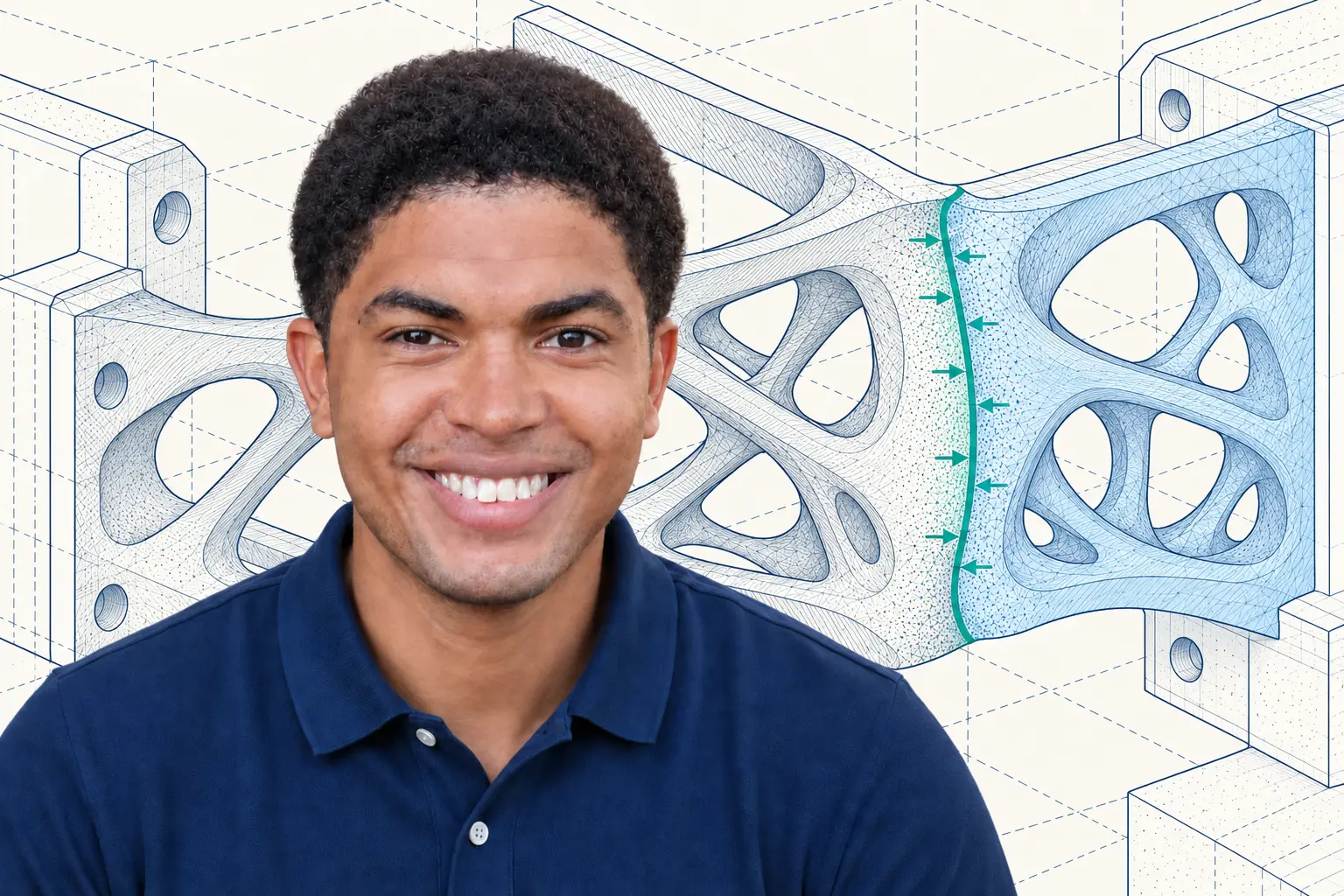
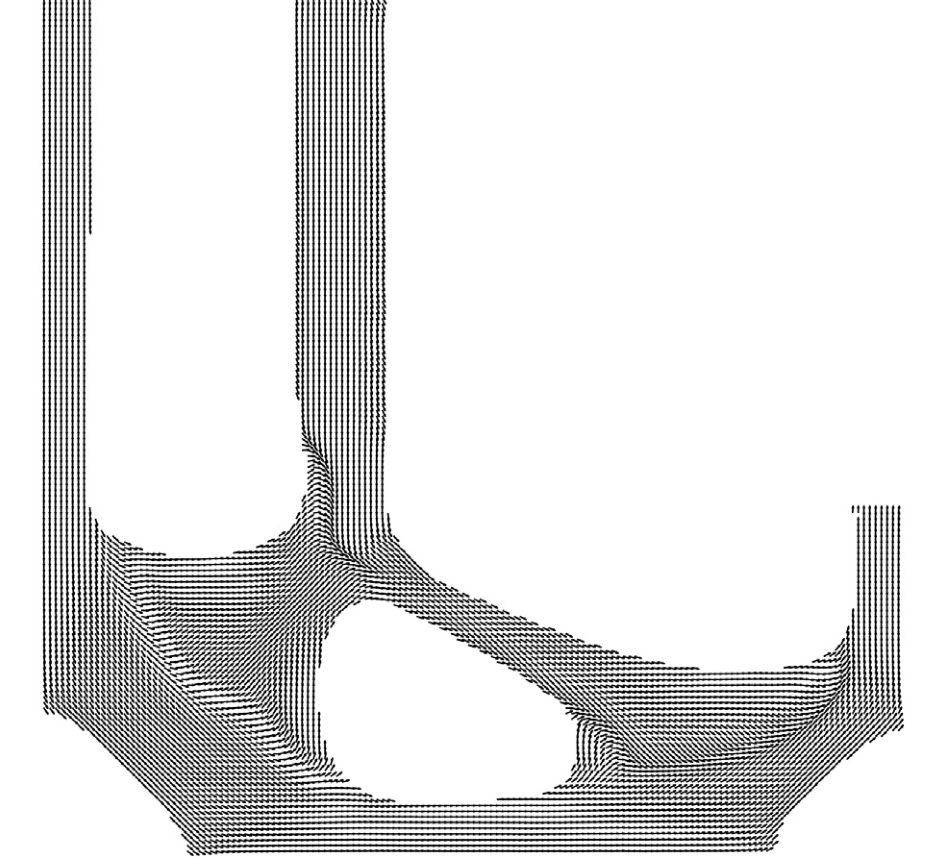
We optimize a printed part’s shape and material direction together, while checking that it can carry the load. Discover the work led by Bruno Denadai.
Published in Finite Elements in Analysis & Design (FEAD), 2026.
Explore the paperResearch
Our work connects structural dynamics, geomechanics, wave physics, optimization, bio-inspired mechanics and computational methods. The common thread is interaction between parts, materials, living systems, physical domains and scales.
Models that treat the structure, foundation, piles and soil as one coupled vibrating system.
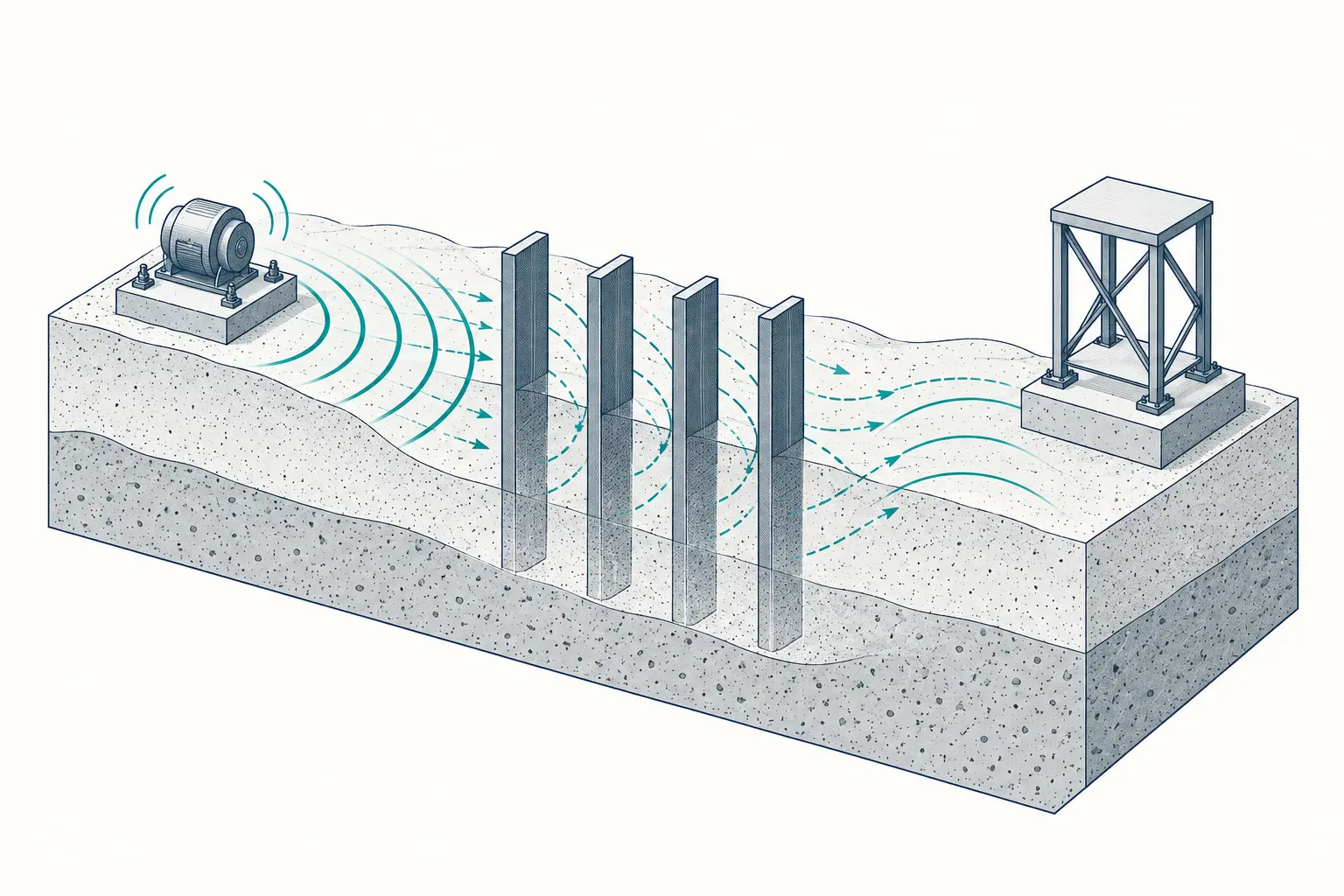
Pile groups · flexible foundations · contact · IBEM-FEMBarriers, periodic systems and metamaterial concepts that redirect or attenuate vibration.
Ground waves · barriers · periodicity · vibration attenuationComputational design methods that account for flexible supports, interfaces and failure modes.
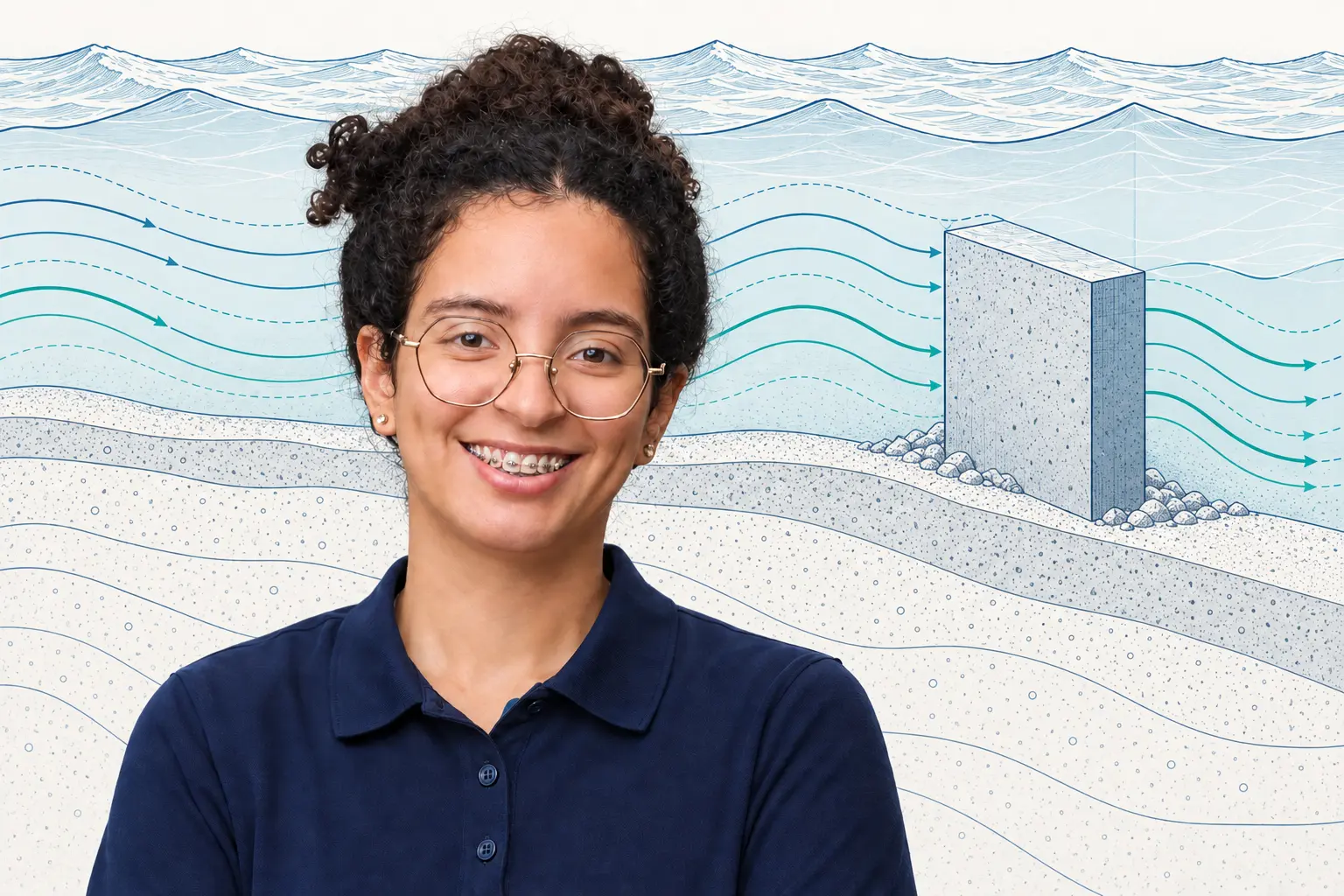
Topology optimization · stress · buckling · flexible supportsCoupled models of water, seabed and structures for vibration and marine-protection questions.
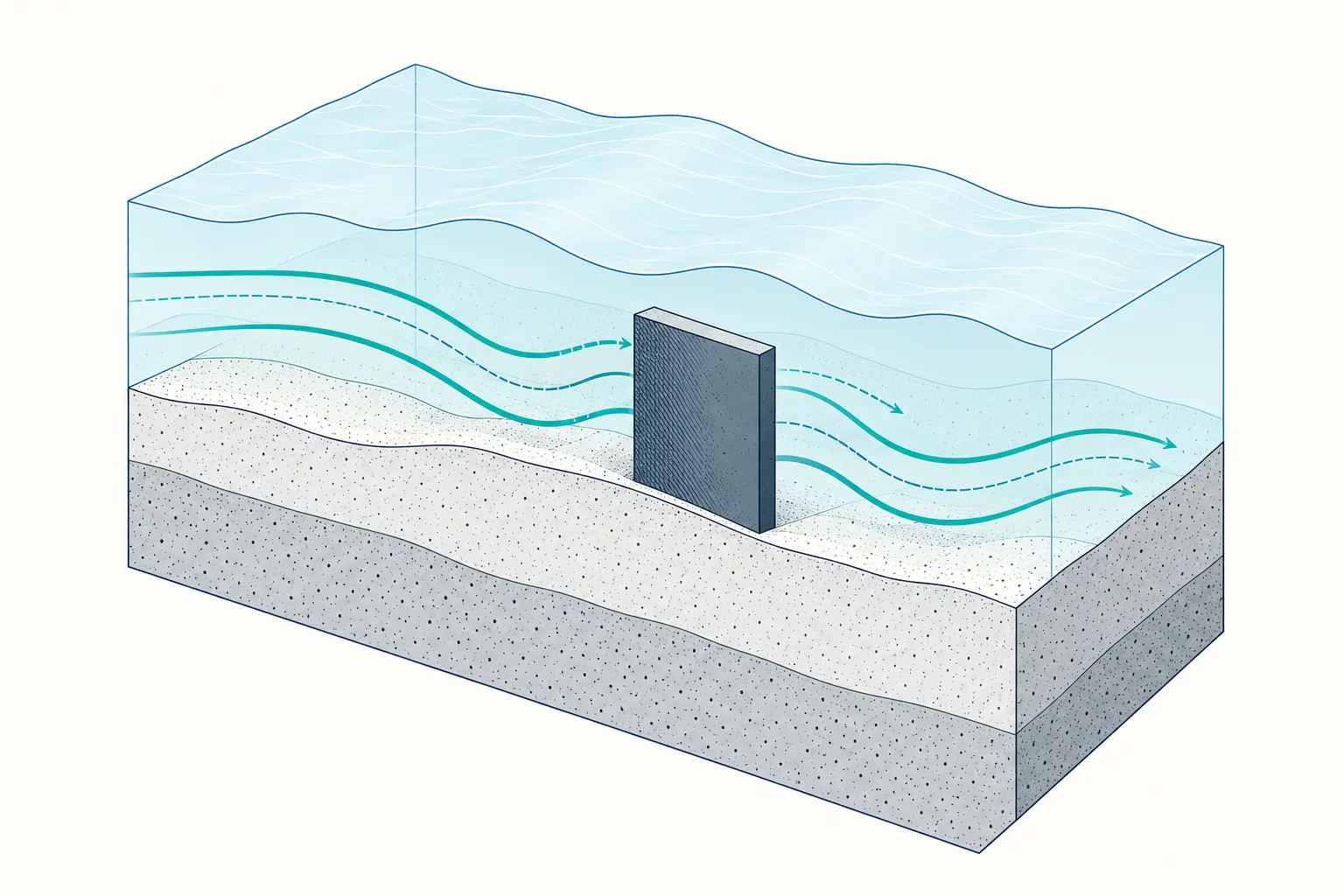
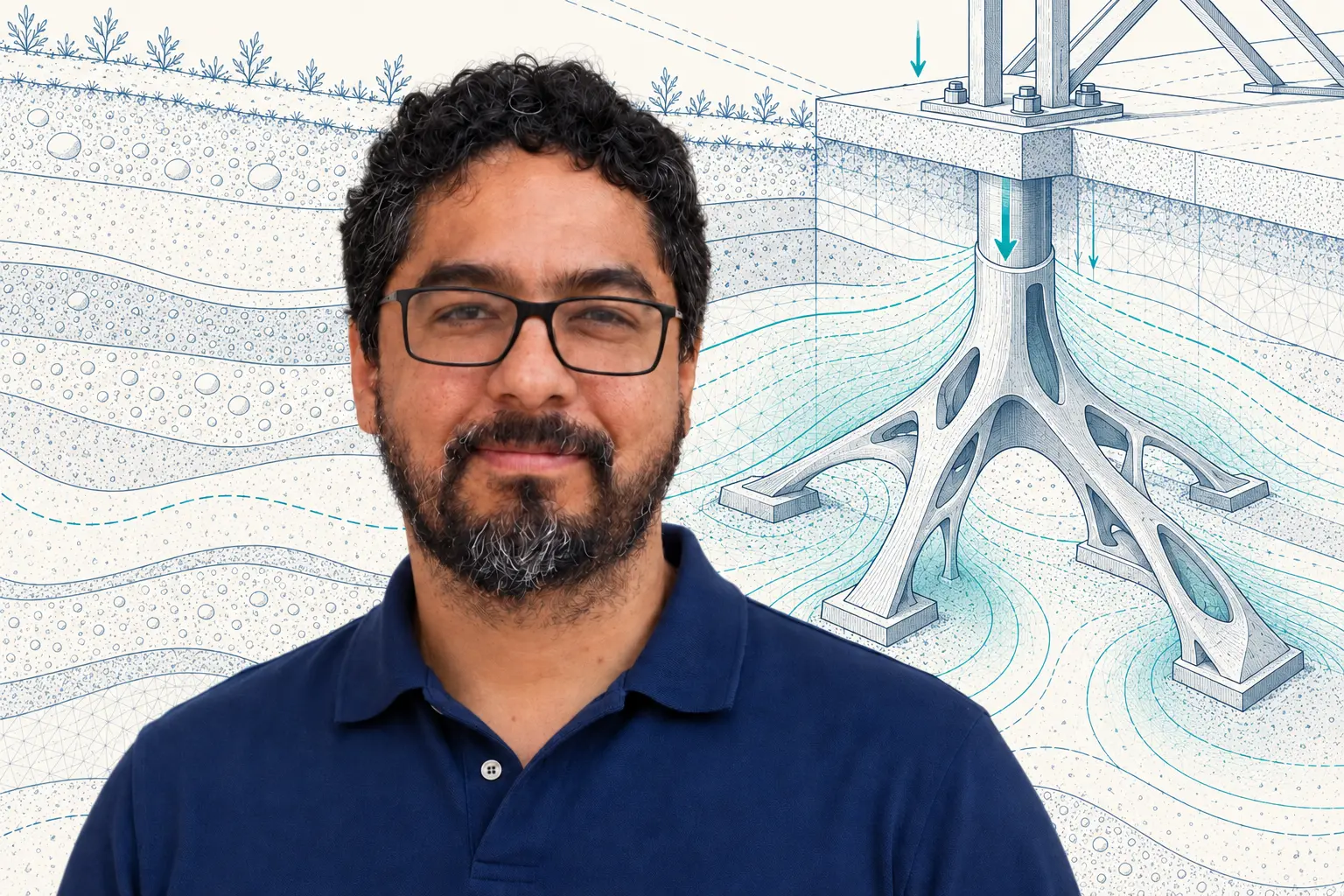
Scholte waves · PML · submerged barriers · fluid-soil couplingWe study how roots and soil organisms interact with the ground, then translate those mechanics into new structural and robotic concepts.
Root anchorage · organism-soil interaction · soft excavation · biomimetic designCurrent members
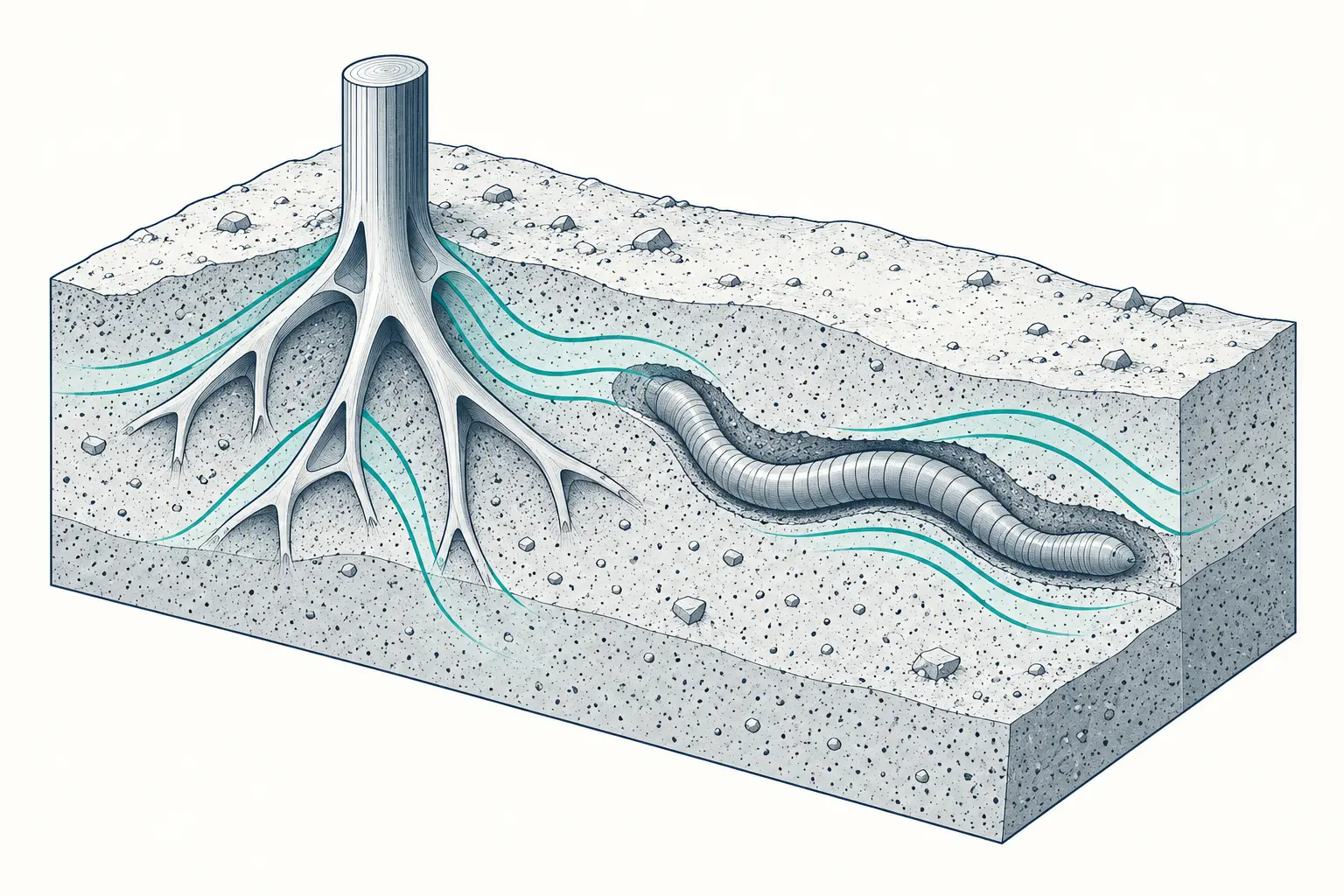
Each project begins with a concrete physical question. Meet the researchers building the models, codes and ideas behind the lab.
Meet the full teamConnections
Long-term collaborators, funded international partners and interdisciplinary project teams extend the methods and questions the lab can address.
Collaboration network
Each relationship is tied to a shared project, publication or intellectual history.
Explore the networkExtended community
Bag Sentável and Ancestral Structures connect mechanics with labour, territory, equity and design.
See project communitiesEngineering beyond the lab
Through PRODS, students work with artists, cyclists and community partners on practical public questions.
Visit engagementSelected work
We derive, implement and verify before using computation to make mechanical claims or design decisions.
Browse publicationsJournal of the Brazilian Society of Mechanical Sciences and Engineering
Finite Elements in Analysis and Design
International Journal for Numerical and Analytical Methods in Geomechanics
CILAMCE 2025 Proceedings
Teaching · Ensino
Notas de aula, ementa, MAPESEC, vídeos, exercícios resolvidos, provas anteriores e o assistente PAD-GPT.
SSI Lab is part of the School of Mechanical Engineering at the University of Campinas.