
The physical problem
A structure that is stiff under one load can still fail through local stress concentration or global instability. Product constraints also require usable volumes and prescribed regions to remain intact.
Undergraduate researcher · Three-dimensional structural optimization
How can a 3D structure become lighter without overstressing or buckling?
Thiago develops three-dimensional topology optimization models and applies them to inclusive product design through the Bag Sentável project.
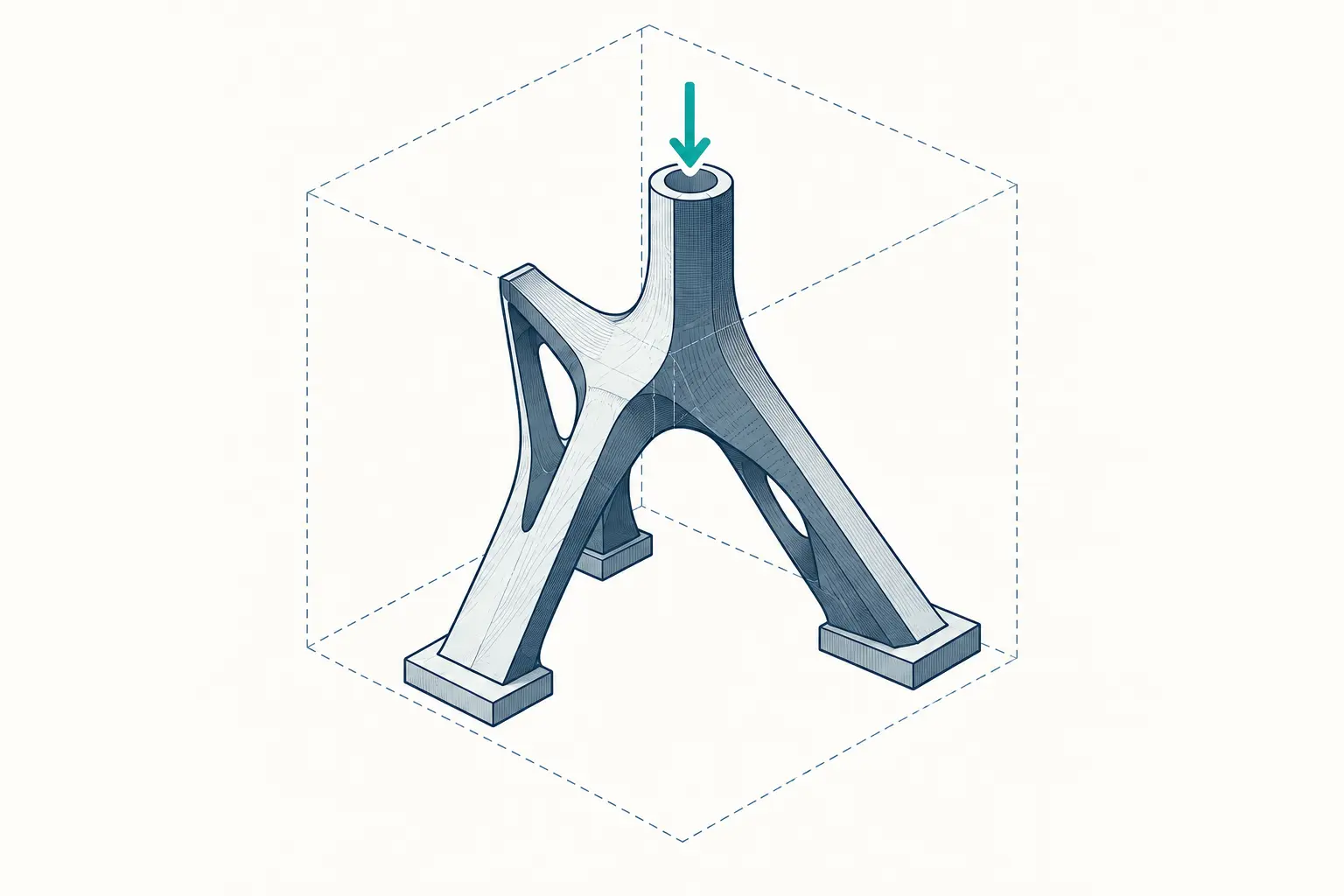
A structure that is stiff under one load can still fail through local stress concentration or global instability. Product constraints also require usable volumes and prescribed regions to remain intact.
His first model used BESO to find a load-bearing skeleton around the cargo cavity of a delivery bag. The current research moves toward floating-projection topology optimization with explicit stress and buckling constraints.
The project connects computational design with the physical burden carried by delivery workers, while advancing methods that produce safer and more manufacturable structures.
Research evidence
Explore published studies, conference contributions and ongoing investigations.
Work in progress
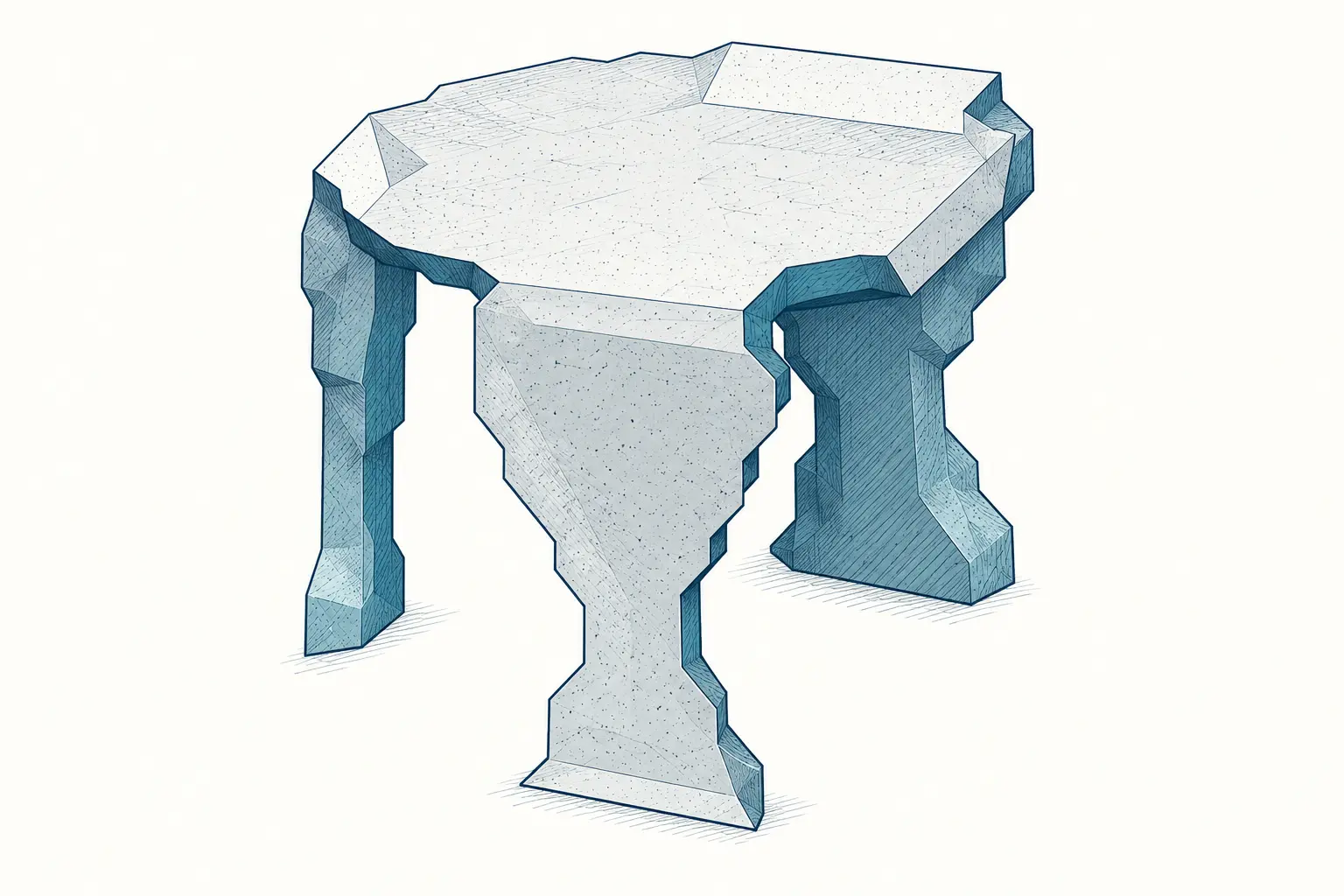
The initial 3D optimization produced a connected load path between the seating surface and the supports while keeping the central cargo cavity free of structural material.
FAPESP project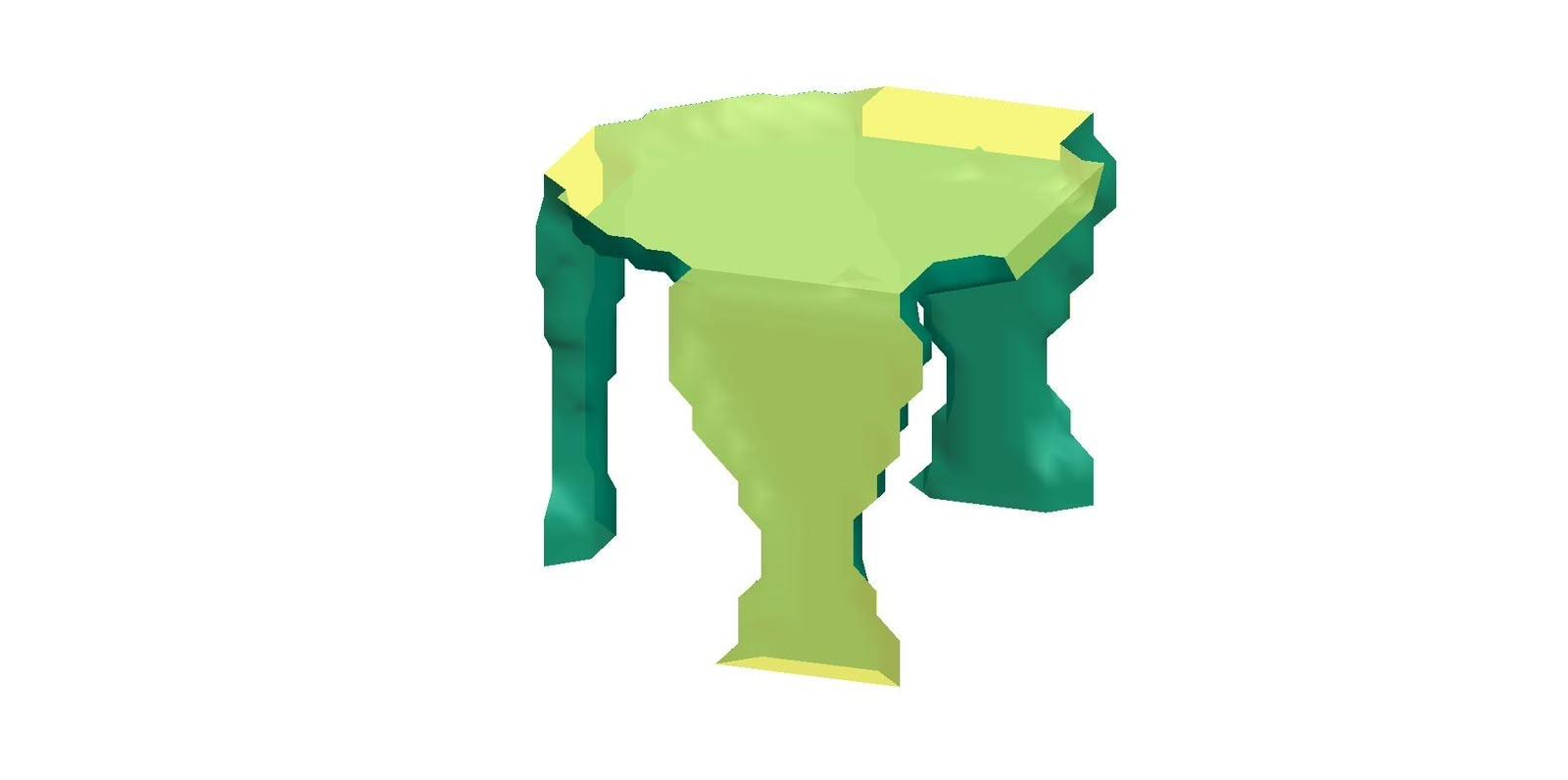
Funded project
The next stage will replace the proof-of-concept compliance model with FPTO formulations that can control stress and instability in the three-dimensional structure.
FAPESP project